Legacy asset adaptation
Re-engineering mid-century structures to meet uncompromising modern performance and sustainability demands.
Edison Team
5 min read
Overview
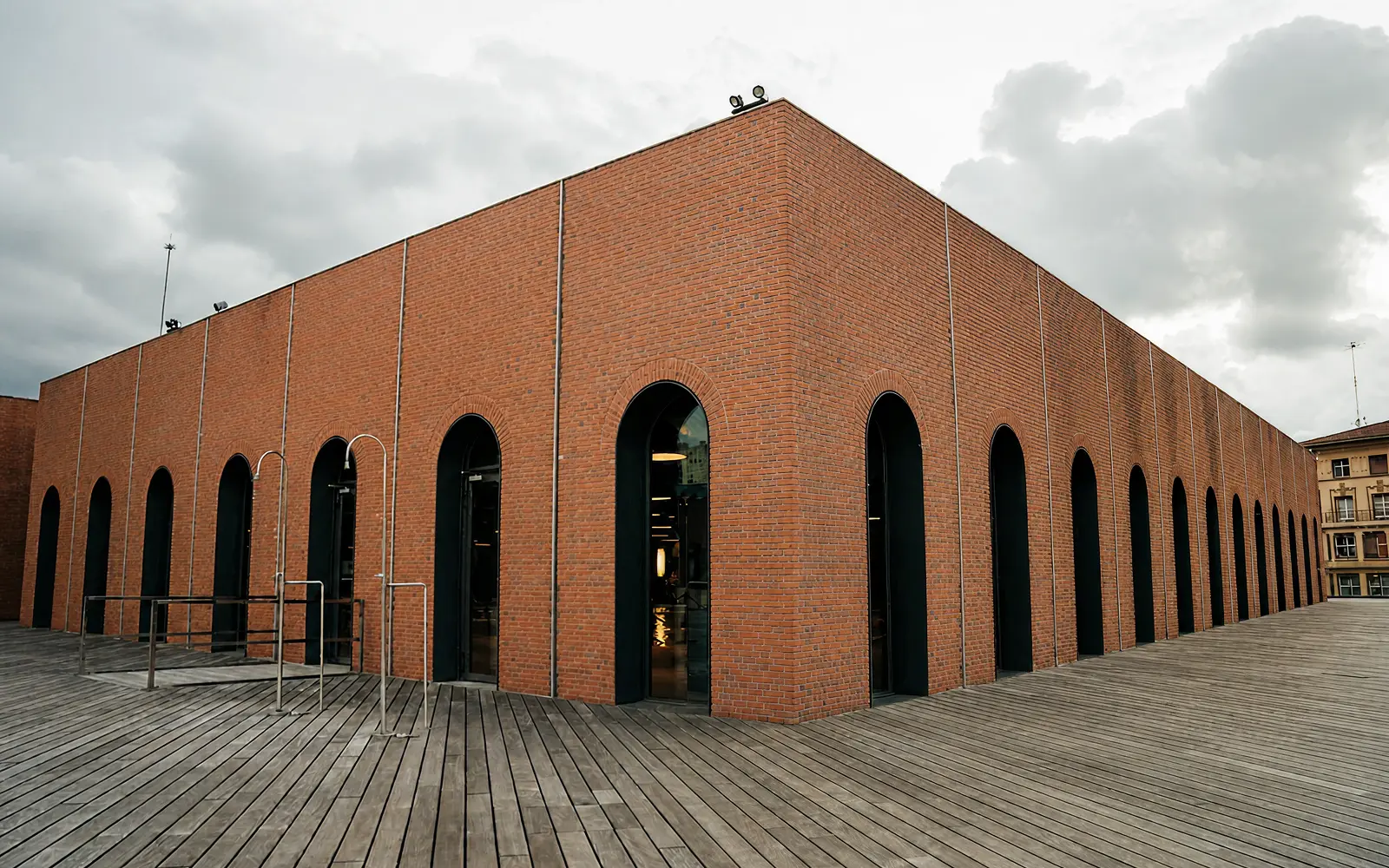
Demolition is not always the most viable or intelligent solution. Adapting and revitalizing legacy structures requires a level of surgical engineering that often surpasses the complexity of a ground-up build.
Surgical intervention
Working within the uncompromising constraints of a pre-existing framework demands absolute precision. We deploy laser-scanning and non-destructive acoustic testing to map the exact load-bearing capacity of historical concrete and steel before a single structural modification is made.
Material integration
The challenge lies in the seamless merger of eras. We frequently integrate 21st-century carbon-fiber reinforcement polymers (CFRP) with 20th-century concrete cores. This invisible integration exponentially increases tensile strength without adding dead weight or altering the historical footprint.
Regulatory compliance
Upgrading a 60-year-old asset to meet the strictest modern seismic and fire-safety codes—without destroying its architectural heritage—is the ultimate test of an engineering firm. It requires innovative, custom-fabricated structural joints rather than off-the-shelf solutions.
Conclusion
True engineering mastery is not just about building the future from scratch. It is about breathing another century of profitable, sustainable life into a structure that was destined for the wrecking ball.